
Summer is the perfect time for children to grow, explore, and develop important life skills, and the best part is that it can all happen through play. At York Paediatric Therapy Services, we believe that play is not just fun; it’s one of the most powerful tools in a child’s development. Whether your child is working on speech, motor skills, or sensory integration, summer play offers rich, natural opportunities to practice and progress outside the clinic.
Why Play Matters
Play is how children learn. It builds communication, strengthens muscles, improves coordination, and nurtures creativity and problem-solving. For children receiving therapy, incorporating therapeutic goals into summer activities can help maintain and even accelerate their progress in an enjoyable and stress-free way.
Supporting Speech and Language Through Play
Summer play encourages social interaction, storytelling, and vocabulary building, all essential for speech and language development. Here are a few simple ways to support your child’s communication skills:
- Water Play & Outdoor Games: Encourage your child to give directions (“Pour water here!” or “Your turn!”) or describe what they’re doing. This supports both expressive and receptive language.
- Storytime Outdoors: Create a story from a walk in the park or a day at the beach. Ask open-ended questions like, “What do you think will happen next?” to build narrative skills.
- Play Dates and Camps: Practicing conversation, turn-taking, and listening during group play helps children develop social communication skills.
Using Play to Boost Occupational Therapy Goals
Occupational therapy focuses on helping children develop the skills they need for daily living, from dressing themselves to managing sensory input. Summer play can target many of these skills naturally:
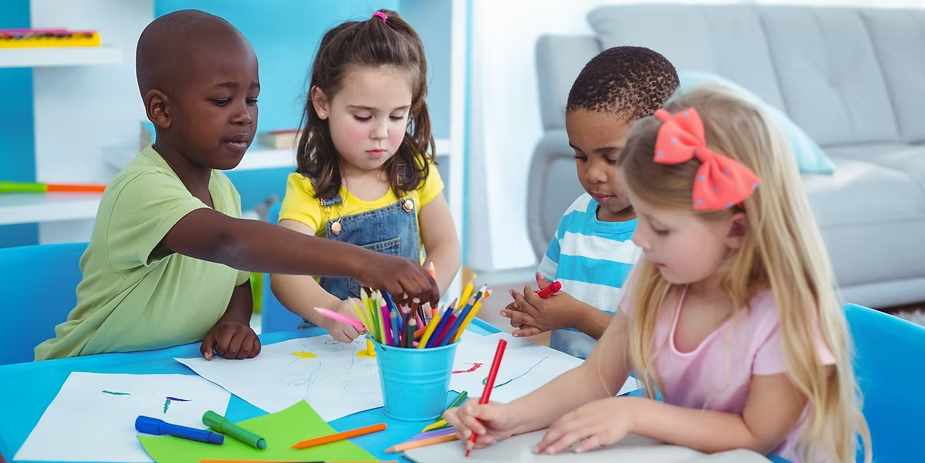
- Arts and Crafts: Activities like sidewalk chalk, finger painting, or making collages support fine motor development, hand strength, and coordination.
- Sensory Play: Sandboxes, mud kitchens, and water tables are fantastic for exploring textures and building sensory tolerance in a low-pressure setting.
- Nature Walks: Collecting sticks or leaves, climbing small structures, or doing simple scavenger hunts can enhance visual motor integration and problem-solving skills.
Promoting Physical Development Through Play
Physical therapy often aims to improve strength, balance, and coordination. The outdoors is the perfect playground for movement-based learning:
- Biking and Scootering: These activities build lower-body strength, balance, and motor planning.
- Obstacle Courses: Set up backyard challenges using cones, pool noodles, or pillows. Jumping, crawling, and climbing through helps improve gross motor skills and endurance.
- Swimming: A fun, full-body workout that improves flexibility, strength, and overall confidence in movement.
Keeping Progress on Track
Summer routines can be looser, but consistency doesn’t have to disappear. Aim to include at least one play-based, goal-oriented activity each day. Choose activities that your child enjoys so they stay engaged while practicing important skills.
At York Paediatrics, we see play as an extension of therapy because when children play, they learn. If you have questions about how to turn summer fun into meaningful progress, don’t hesitate to reach out. We’re here to help you support your child’s growth all year round.